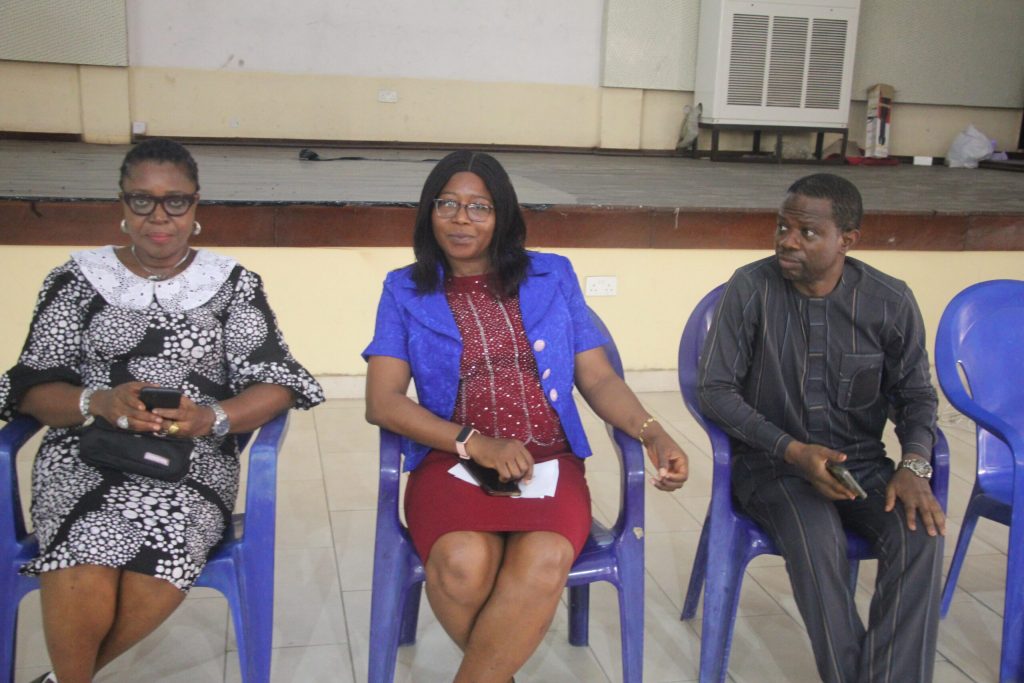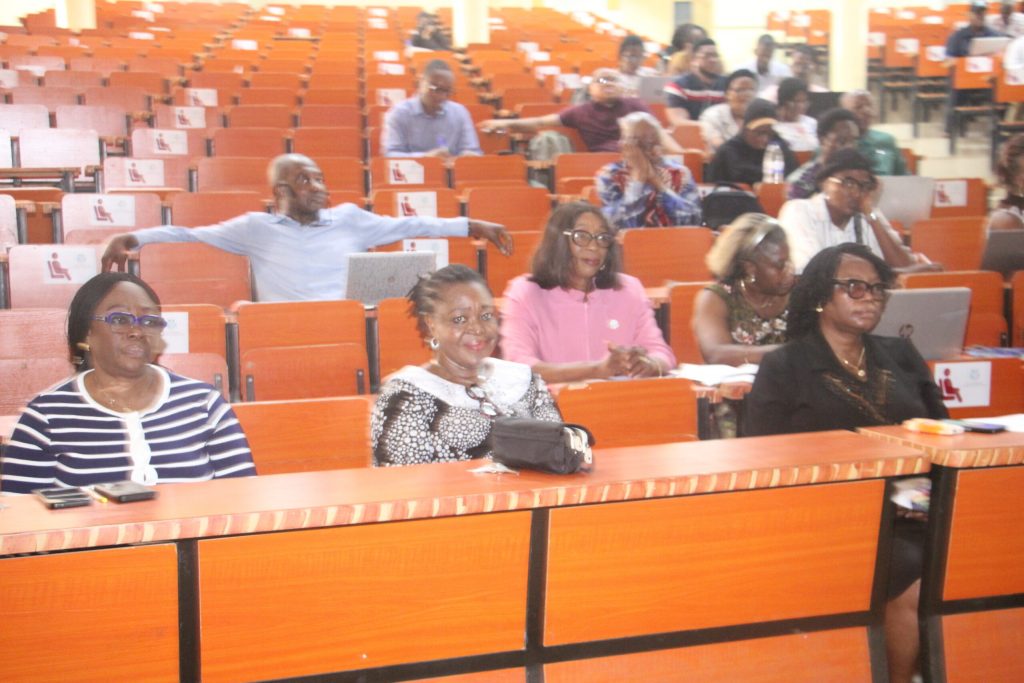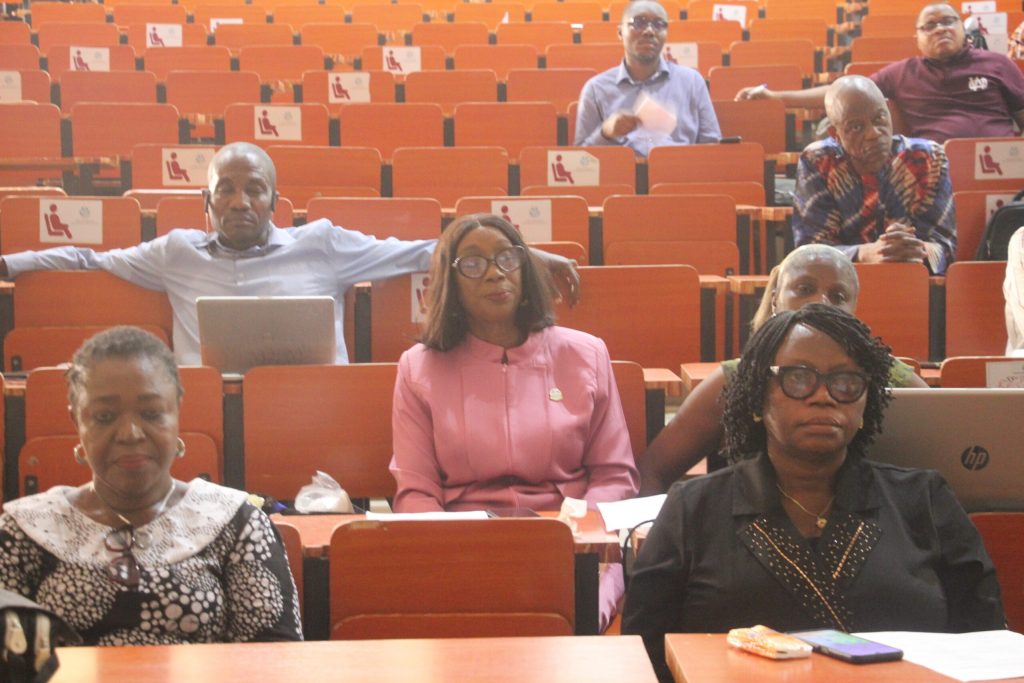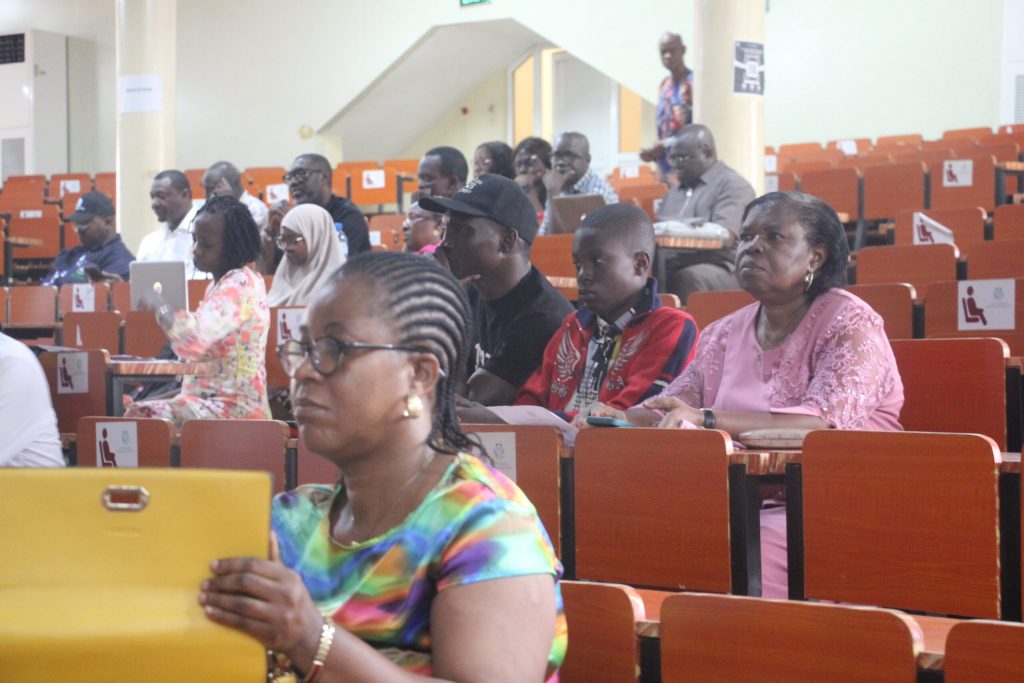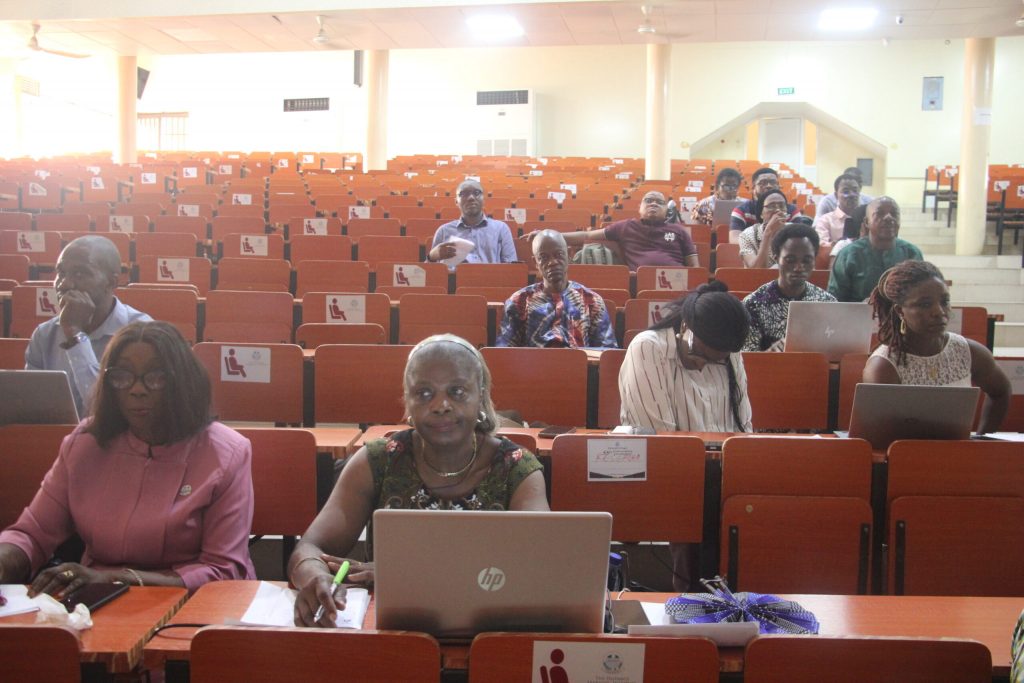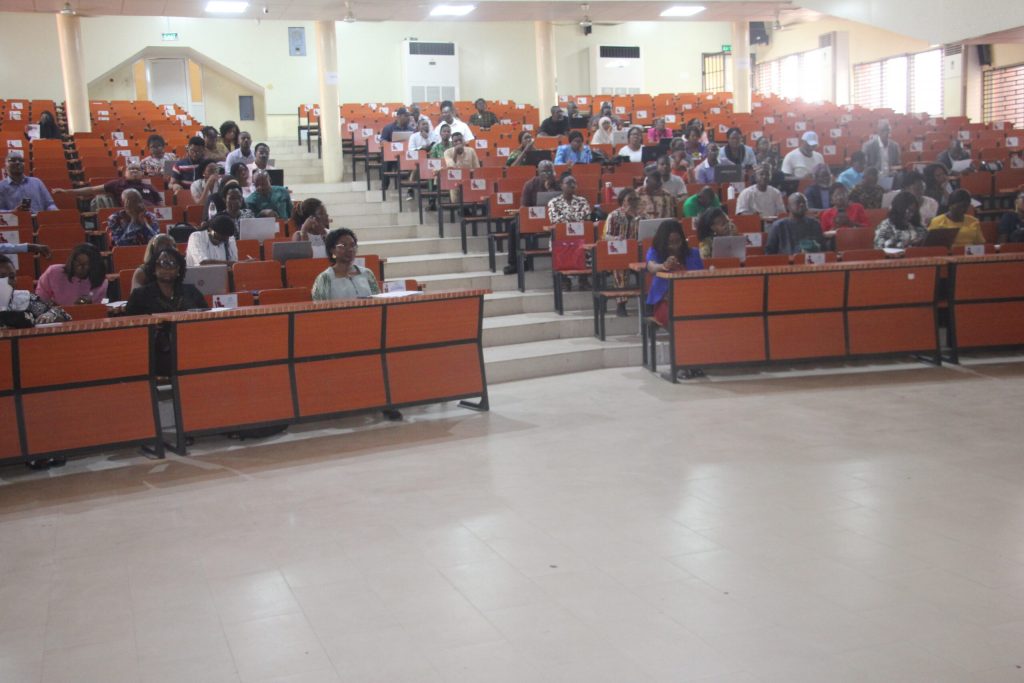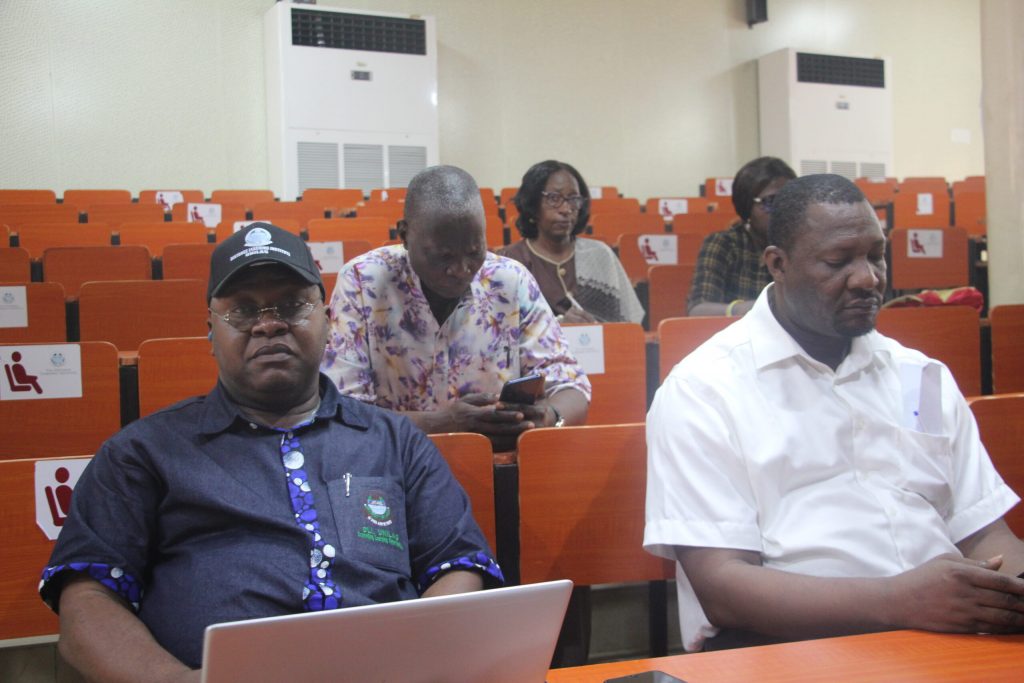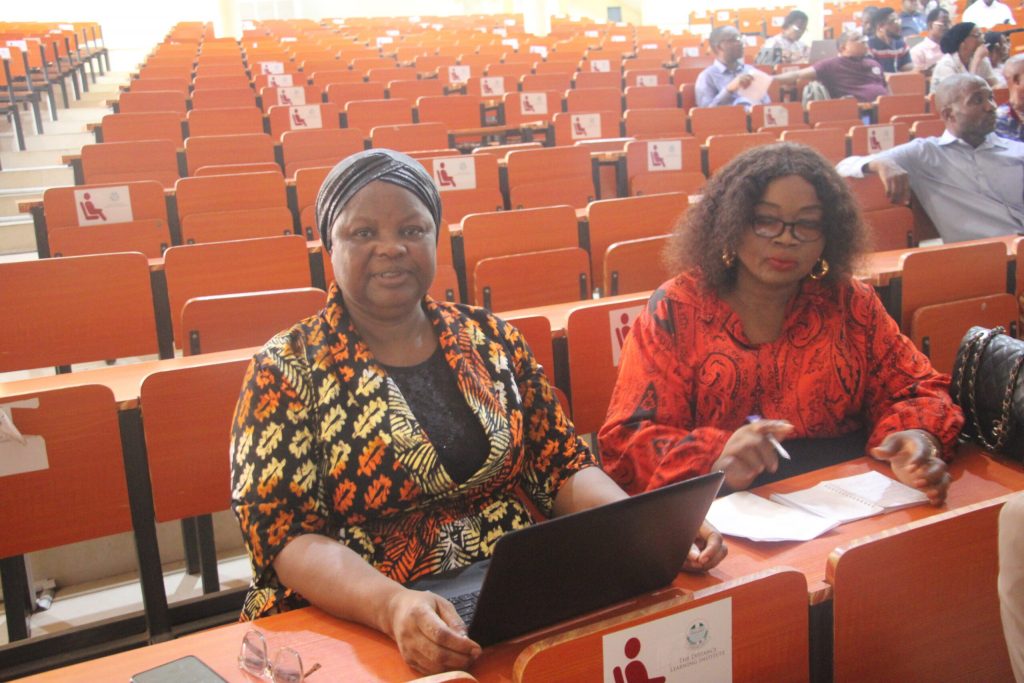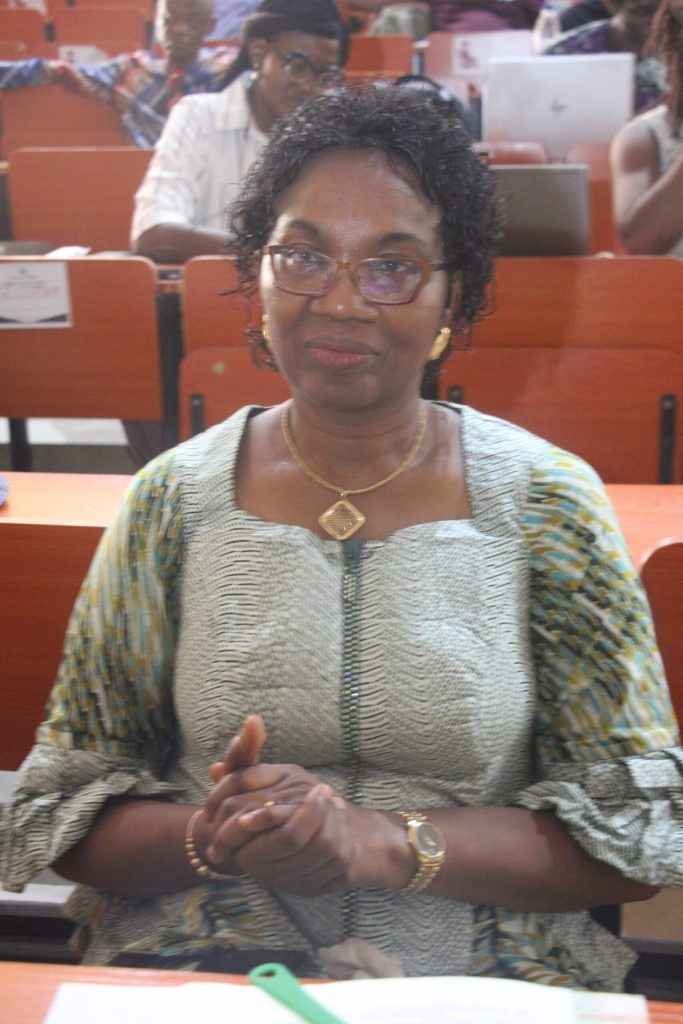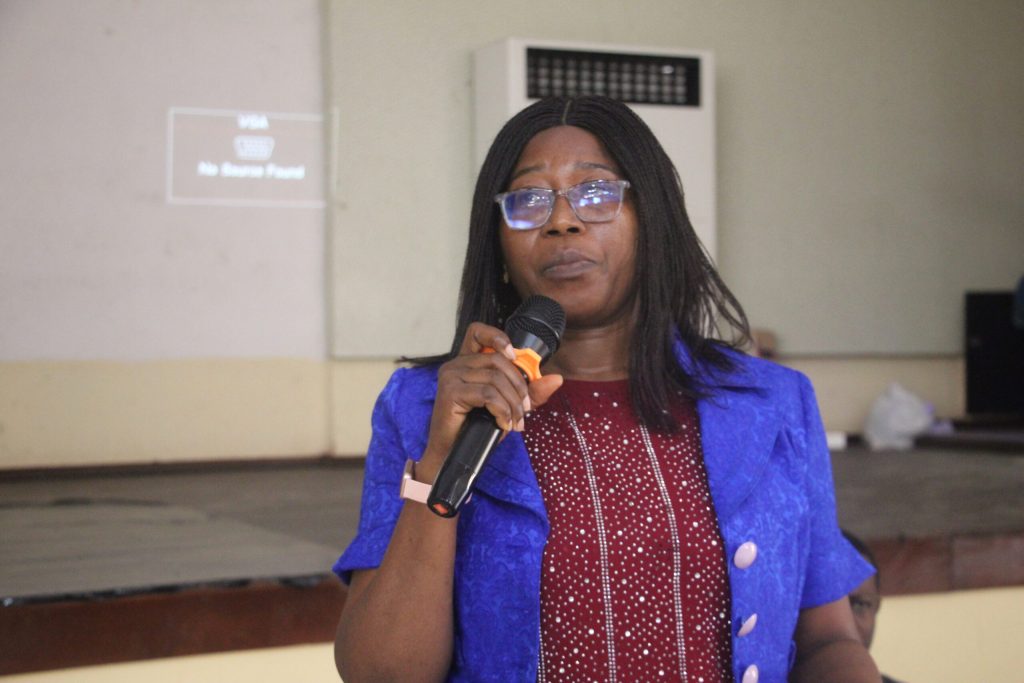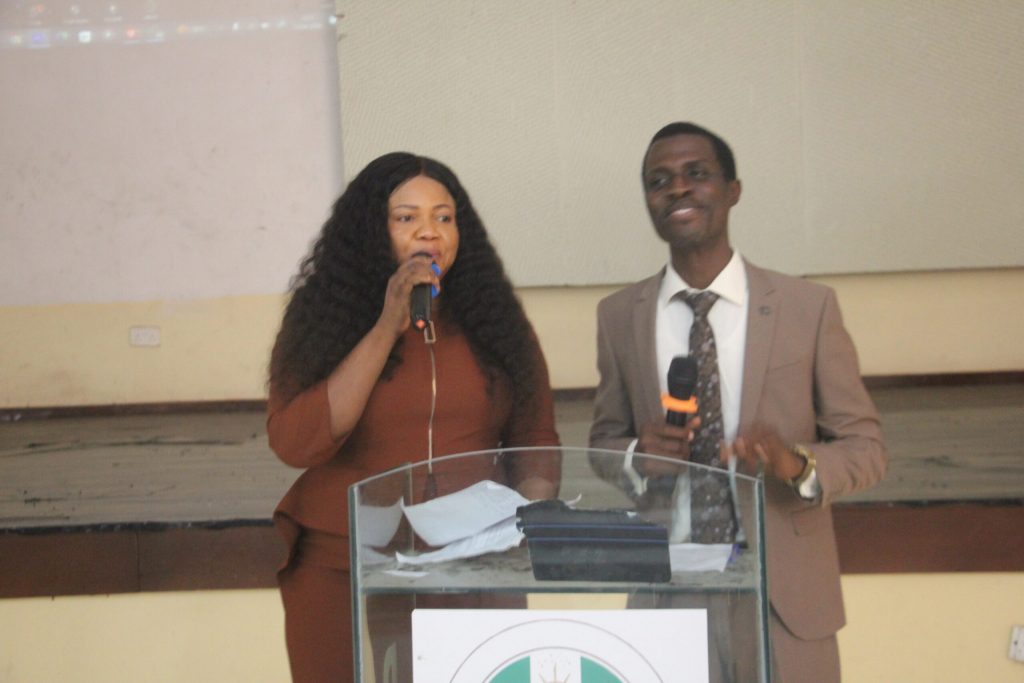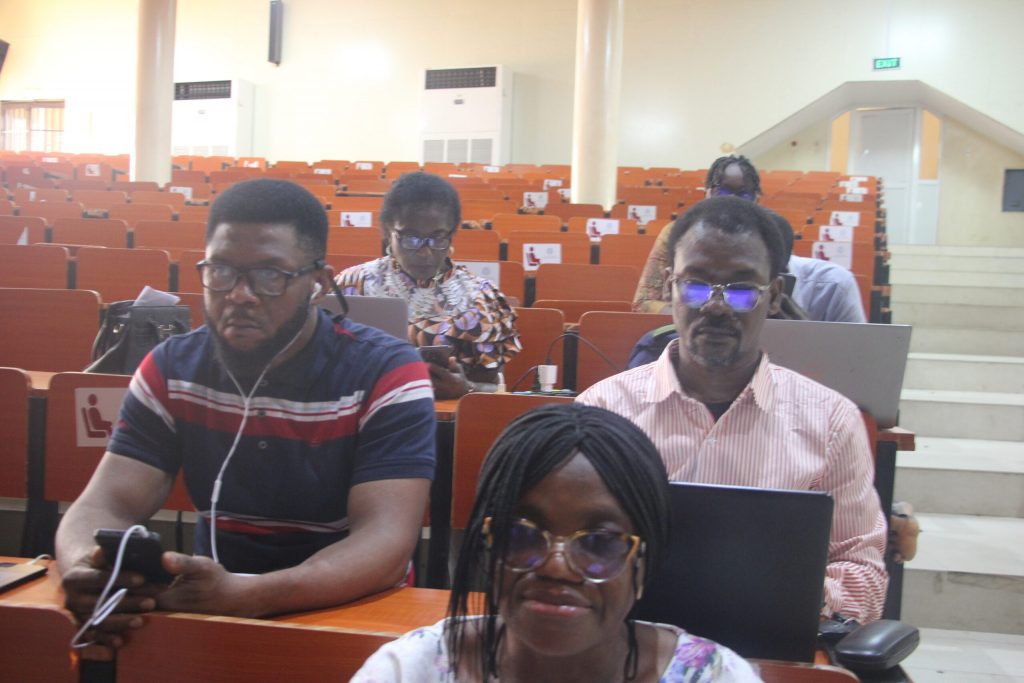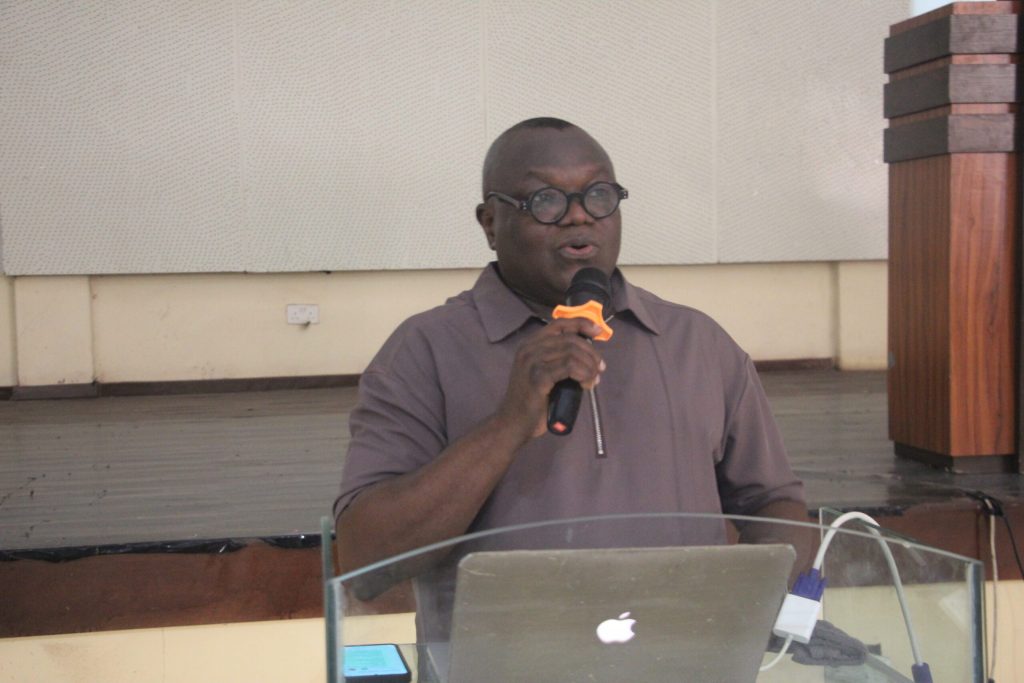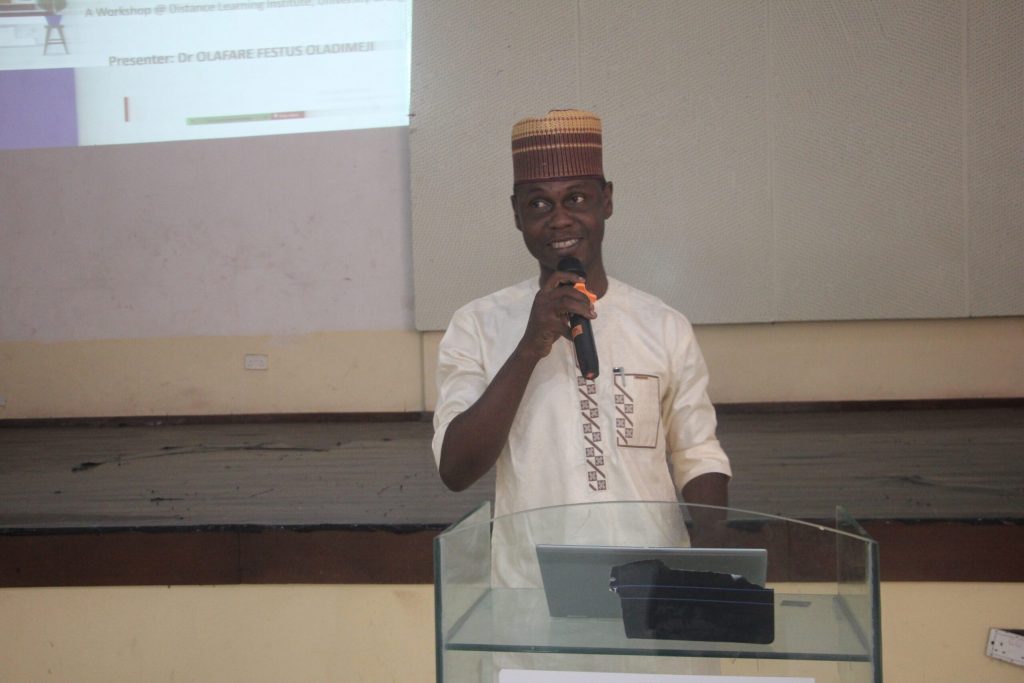
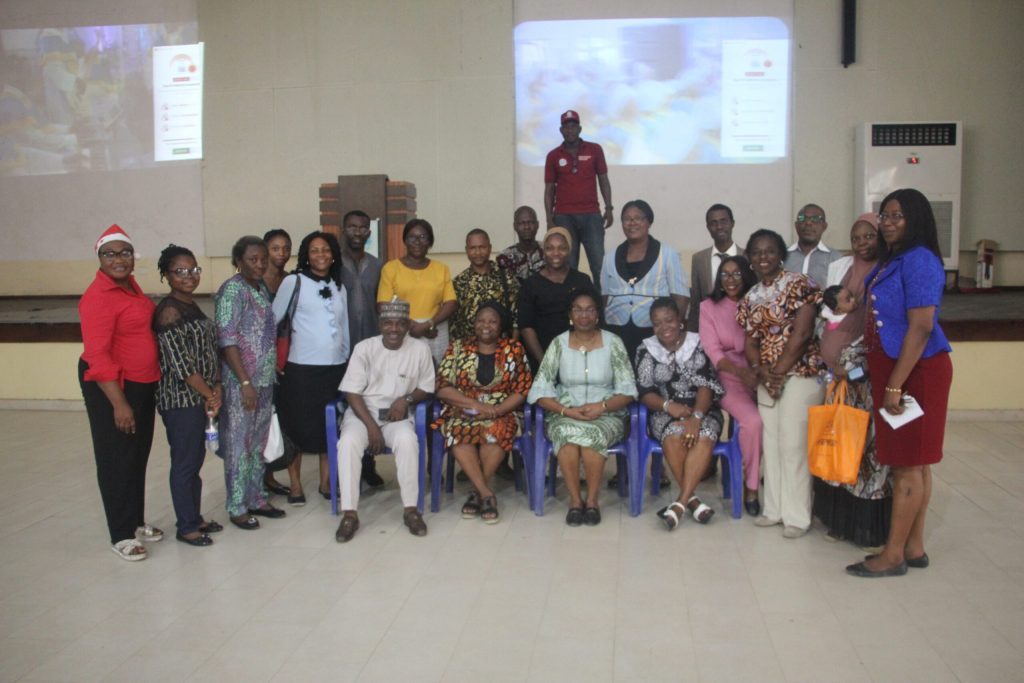
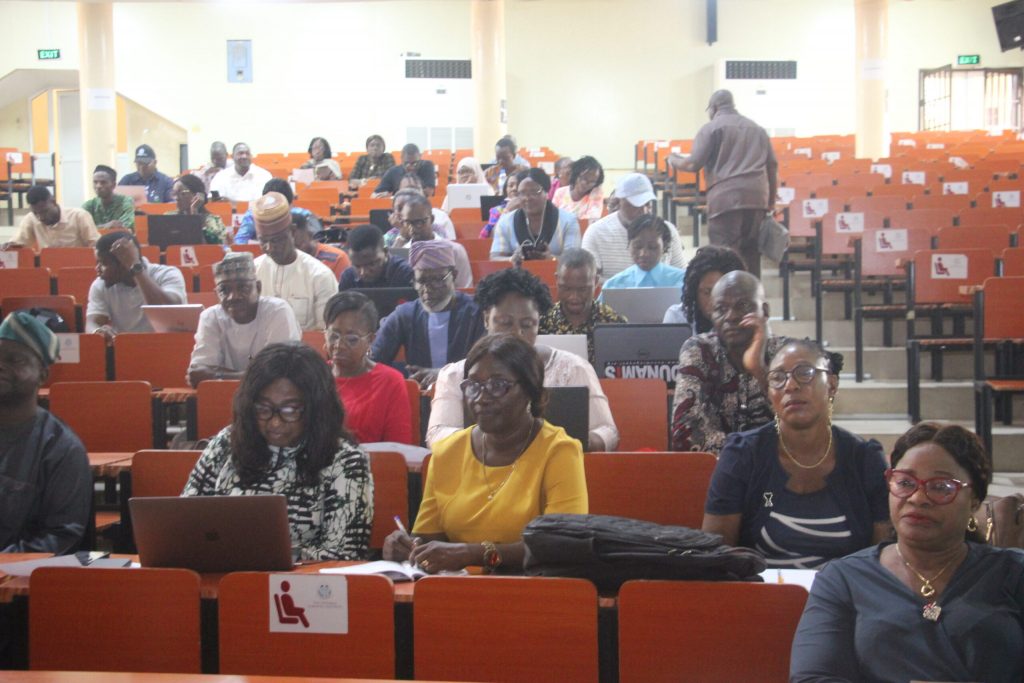
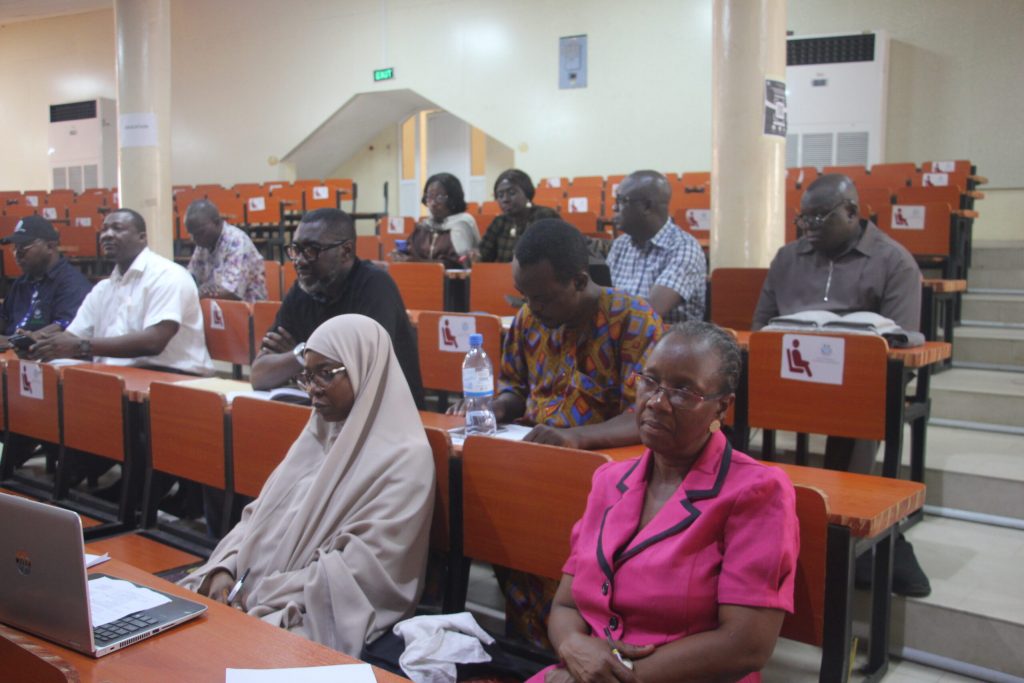
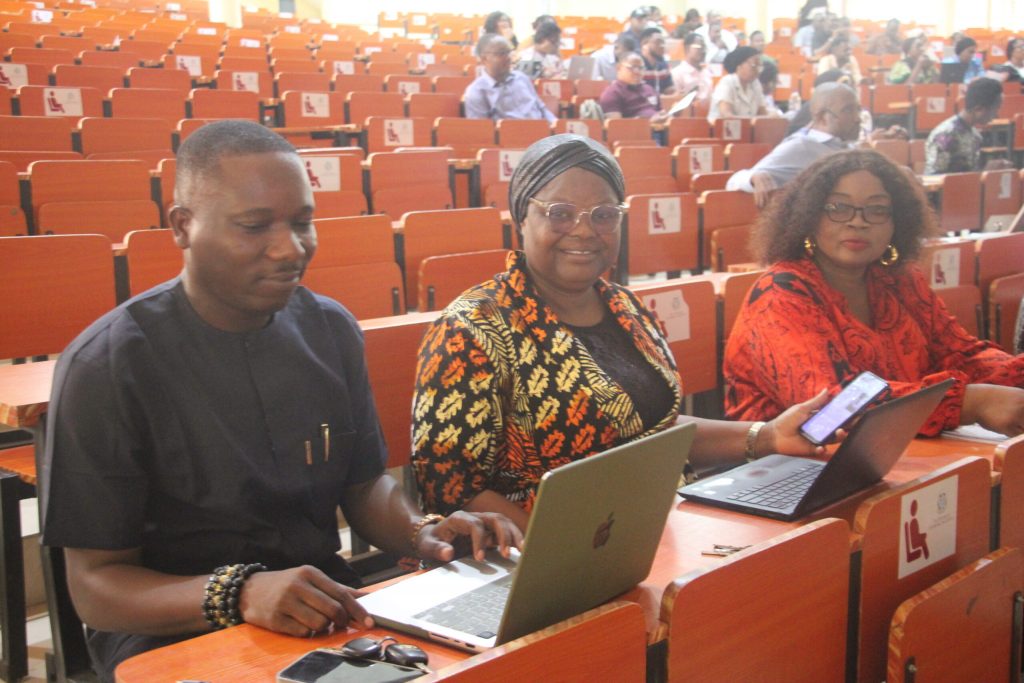
Barely a few days after successfully hosting a health seminar on stress management, the Distance Learning Institute (DLI), University of Lagos (UNILAG), on Wednesday December 10, 2025 held a hybrid capacity-building workshop for its facilitators, for the 2025/2026 academic session.
With the theme “Enhancing Learner-Centred Experiences Through Adaptive Learning Pathways in Virtual Learning Environment,” the one-day workshop was held at the Nurudeen Alao Auditorium, UNILAG, Akoka. It offered facilitators fresh perspectives on digital teaching, pedagogical innovation, and ethical technology use to enrich academic delivery and strengthen facilitator competence.
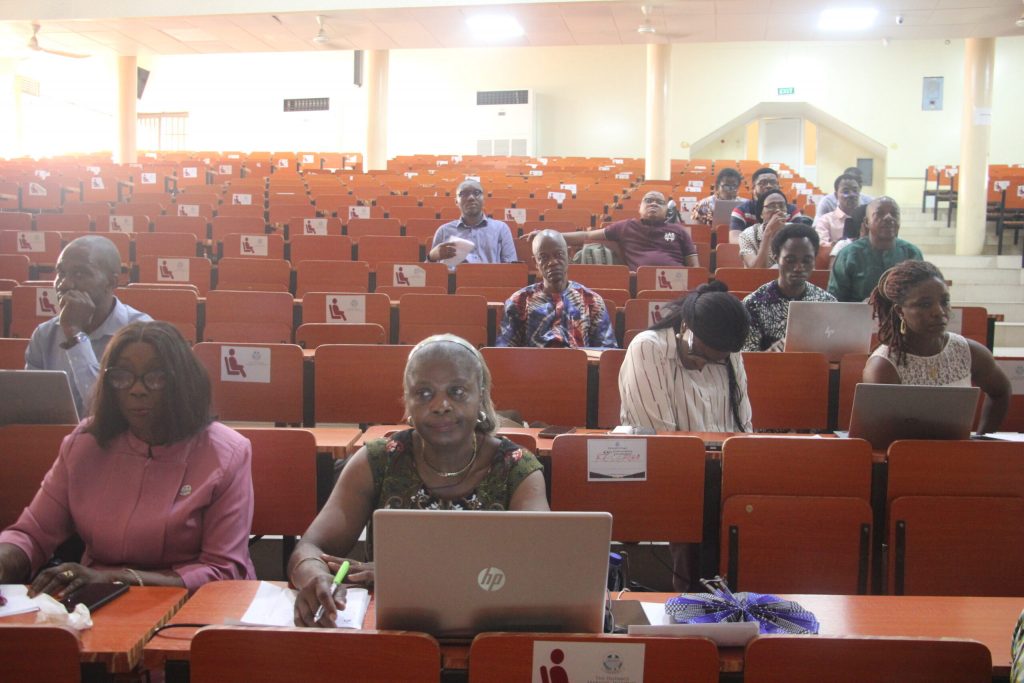
Commencing with Strategy
Declaring the workshop open, the Director of DLI, Professor Risikat Dauda, welcomed participants and emphasized the relevance of the workshop in view of the rapidly evolving landscape of open and distance education. She underscored the need for facilitators to continually update their teaching strategies, especially as learners’ needs are increasingly becoming diverse and technology-driven.
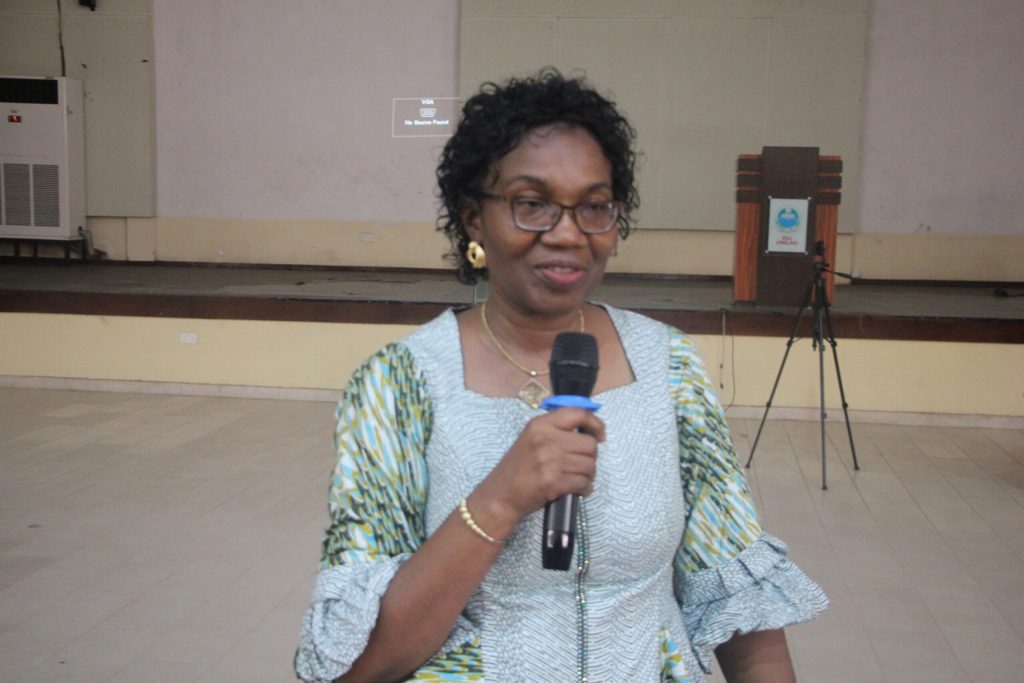
Professor Dauda stressed that learner-centred and adaptive approaches are central to DLI’s mandate of delivering flexible, high-quality education. According to her, the Institute must remain innovative to sustain its reputation as a leader in open and distance learning education.
Engaging Sessions
The first session, handled by Dr. Kehinde Bolarinwa, focused on Learner-Centred Approaches in the Virtual Classroom. He/she guided participants through practical strategies for enhancing student engagement and creating virtual classrooms that prioritize autonomy, collaboration, and critical thinking.
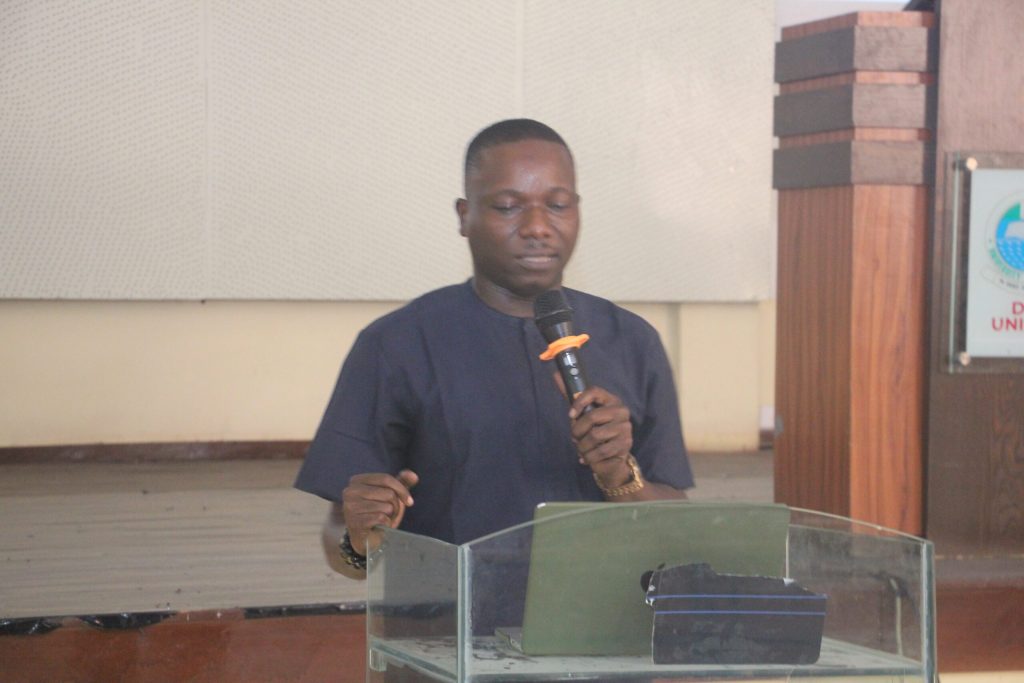
This was followed by a highly interactive hands-on session led by Dr. Festus Olafare of the Department of Technology & Vocational Education. It explored how facilitators can leverage adaptive learning pathways to customise instruction, support learners’ unique paces, and improve overall learning outcomes. Participants engaged with sample tools and techniques designed to strengthen adaptability within the virtual learning environment.
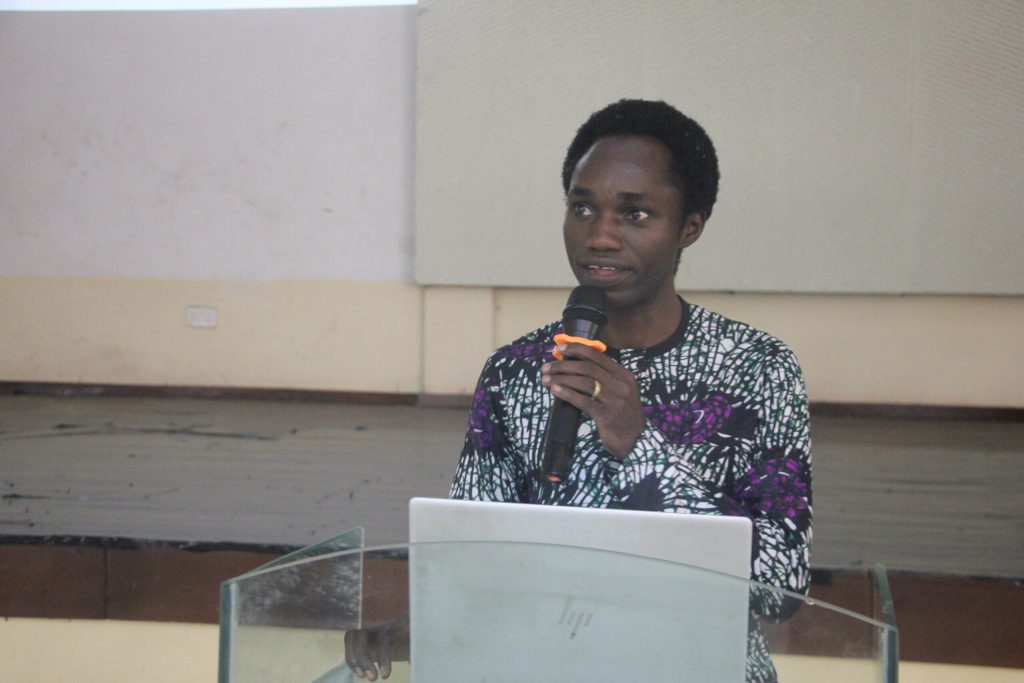
The morning section concluded with a presentation by Dr. Kehinde Orolu, the Deputy Director of the Adetokunbo Babatunde Sofoluwe Centre for Information Technology and Systems (ABS-CITS). His session on Ethical Use of Artificial Intelligence (AI) for PowerPoint Presentation in an Online Class provided clear guidance on responsible AI integration, emphasizing best practices, transparency, and academic integrity in the creation of instructional materials.
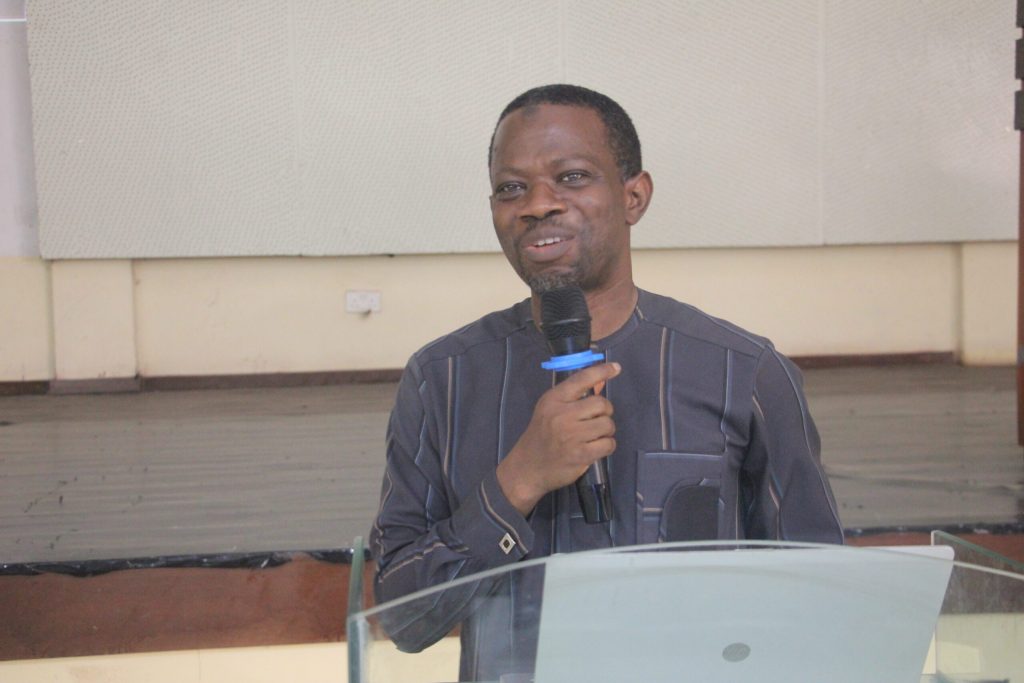
The afternoon session of the workshop opened with Dr. Lukman Oyelami, who delivered a practical demonstration on Mastering Excel for Exam Results Uploading. His session was designed to streamline facilitators’ assessment workflows, enhance accuracy in results management, and support institutional efficiency.

Dr. Rachel Odunlade, who delivered an insightful presentation on Integrating Open Education Resources (OER) into Teaching in an Open, Flexible and Distance Learning Environment highlighted the value of OER in reducing teaching costs, enriching course content, and promoting global knowledge sharing. Facilitators were shown how to identify, adapt, and ethically utilize OER materials for enhanced course delivery.
The final session of the workshop provided an avenue for facilitators to share experiences from the 2024/2025 academic year. The discussion forum allowed for open dialogue, reflections on teaching challenges, and recommendations for improving student support and instructional delivery.
Closing with Satisfaction
In her closing remarks, DLI Deputy Director (M&C), Dr. Adenike Oladipo noted that the workshop was a reflection of DLI’s dedication to sustaining excellence in open and distance education while equipping its facilitators to meet the evolving needs of today’s learners. While appreciating participants, Dr Oladipo expressed satisfaction with the comprehensive sessions cum engagement and future-focused discussions offered at the workshop.

The workshop concluded with a renewed commitment to advancing learner-centre practices through technology-enhanced, adaptive, and ethically driven approaches. Participants expressed appreciation for the opportunity to learn, collaborate, and prepare for a productive academic session.
Report: Bayo Salau
Photographs: Samuel Dosunmu